
ylang ylang extra essential oil


Straight From Nature's Playbook
Extra Grade, Rich Aroma
Ylang ylang extra is often valued for its especially vibrant floral character.
A Perfumery Favorite
Its sweet, exotic aroma makes it a classic addition to natural fragrance blends.
Sensory Softness
It is often used in calming aromatic rituals and evening diffuser routines.
A Little Goes a Long Way
Its aroma is naturally powerful, so only a few drops are typically needed.
The Real MVPs

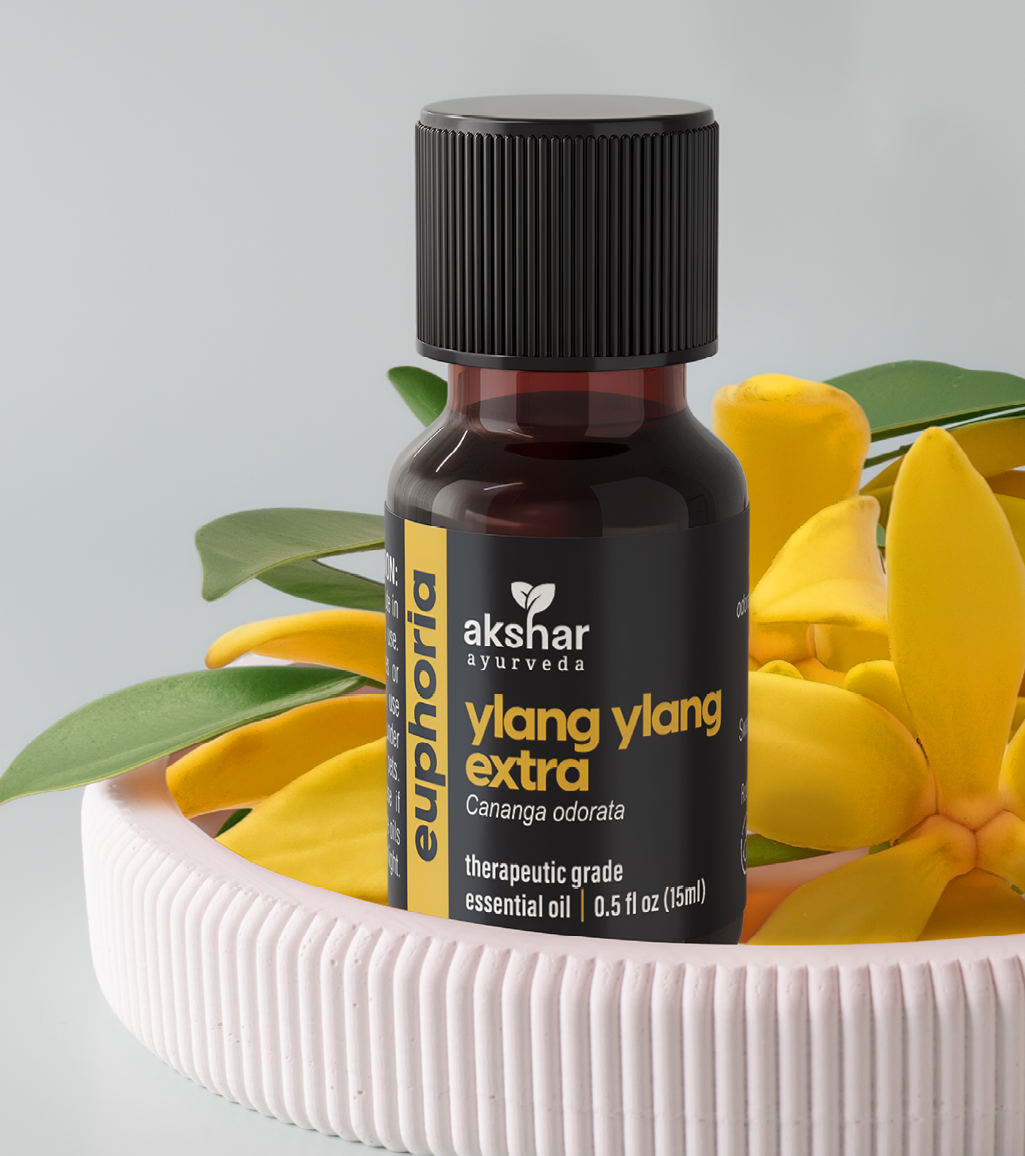
Cananga odorata(ylang ylang Extra) Oil
Ylang ylang extra oil is prized for its intensely floral, sweet, and exotic aroma. It is commonly used in aromatic self-care rituals and natural perfumery where a soft, indulgent floral character is desired. In traditional wellness settings, it is often chosen for blends intended to create a calm, comforting, and emotionally balanced atmosphere. Ylang ylang is also one of the oils that benefits from careful dilution because it can be more sensitizing for some individuals.
Your Daily Game Plan
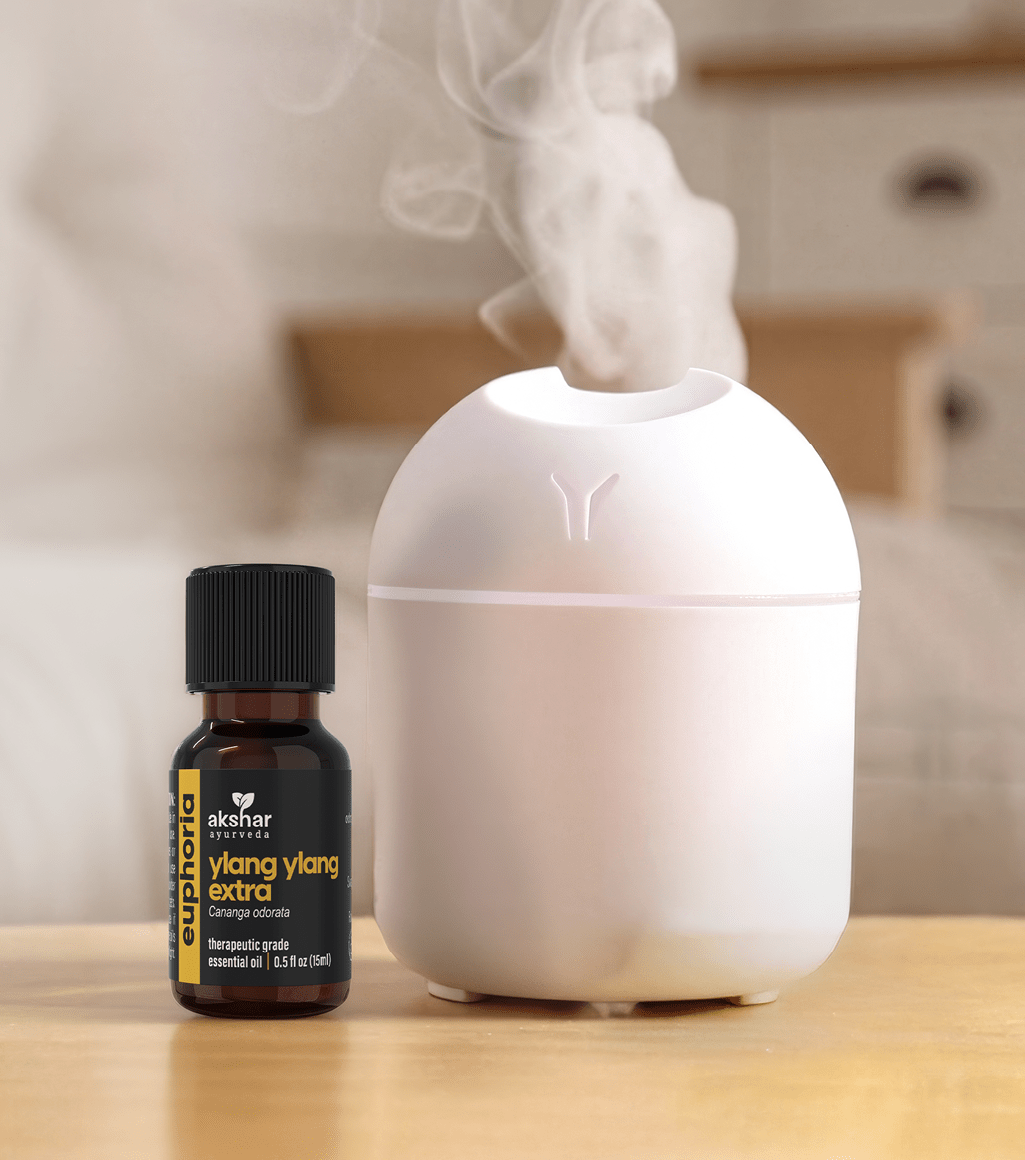
- Aromatherapy: Diffuse 1–3 drops to create a calming, romantic, or spa-like floral atmosphere. (Use sparingly—it’s very strong.)
- Topical (Diluted Only): Use at 0.5–1% dilution (½–1 drop per teaspoon of carrier oil) for perfumes, massages, or moisturizers.
- Haircare: Add 1 drop to a carrier oil or conditioner (well diluted) to support the appearance of smooth, nourished hair.
- Perfume Blends: Mix with jasmine, neroli, bergamot, sandalwood, or patchouli to create elegant, long-lasting natural fragrances.
Your Daily Game Plan
- Aromatherapy: Diffuse 1–3 drops to create a calming, romantic, or spa-like floral atmosphere. (Use sparingly—it’s very strong.)
- Topical (Diluted Only): Use at 0.5–1% dilution (½–1 drop per teaspoon of carrier oil) for perfumes, massages, or moisturizers.
- Haircare: Add 1 drop to a carrier oil or conditioner (well diluted) to support the appearance of smooth, nourished hair.
- Perfume Blends: Mix with jasmine, neroli, bergamot, sandalwood, or patchouli to create elegant, long-lasting natural fragrances.
Write Your Own Review
You're reviewing: ylang ylang extra essential oil
*These statements have not been evaluated by the Food and Drug Administration. This product is not intended to diagnose, treat, cure, or prevent any disease.
If you have any concerns about your own health, you should always consult with a physician or healthcare professional.
